
New concrete · Poured to last · Since 2015
New Concrete Toronto
A new pour is only as good as the base under it. We build both to last.
New concrete driveways, steps, porches, slabs, walkways and patios across the GTA — properly excavated, based, reinforced and finished. Because we also repair and resurface, we'll tell you honestly when a new pour is the right call and when it isn't.
What we pour
New concrete installation across the GTA
From a single set of steps to a full driveway, every new pour gets the same foundation work. Each links to its own page where you can see more.
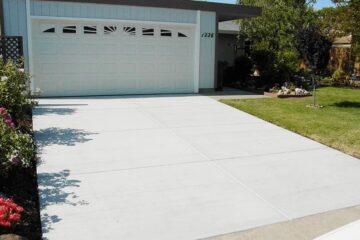
New driveways
Fresh concrete driveways, formed and poured with a properly compacted base for GTA winters.
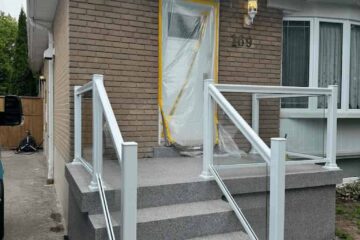
Porches & steps
New front porches and steps poured and finished — the first thing visitors see, built to last.
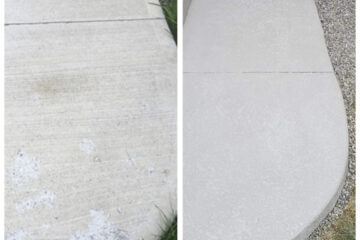
Walkways & paths
New walkways and garden paths, graded for drainage and finished to match your home.
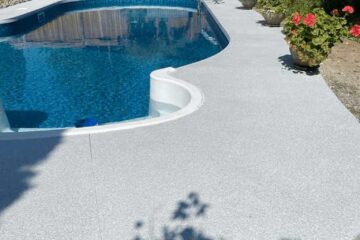
Patios & pool decks
New patios and pool surrounds — smooth, broomed or decorative, slip-resistant finishes available.
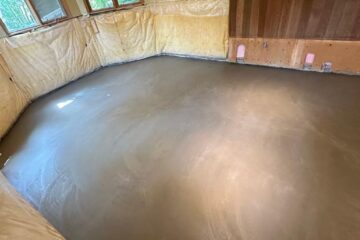
Slabs & basement floors
New slabs, shed and garage pads, and basement floors — poured level, reinforced and sealed.
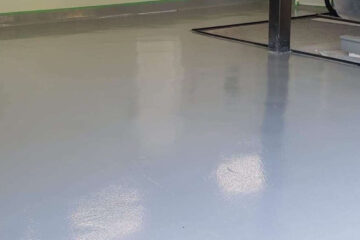
Garage slabs
New garage floor slabs when the old one is beyond repair — poured, cured and ready to coat.
Poured to last
The part you don't see is the part that matters
Anyone can pour concrete. Whether it survives ten Toronto winters or cracks in two comes down to what happens before the truck arrives — and that's where cheap jobs cut corners.
Proper base & compaction
We excavate to depth and lay a compacted granular base — the single biggest reason concrete lasts or fails in freeze-thaw country. Skimp here and it cracks, no matter how good the pour.
Reinforcement & thickness
Rebar or wire mesh and the right slab thickness for the load — driveways carry vehicles, and a thin, unreinforced pour won't hold up to weight and frost.
Drainage & control joints
Graded to drain away from your home, with control joints cut where the slab should crack — so it cracks on the line, not across your new concrete.
Which do you need
New install, or replacing what's there?
Both end in fresh concrete, but the job — and the honest recommendation — depends on what's on the ground now.
Brand-new installation
No concrete there yet — a new driveway on gravel, a first patio, a new walkway or pad. We form, base, pour and finish from scratch.
New driveways →Tear-out & replace
Existing concrete has failed — cracked through, heaved or crumbling beyond repair. We remove and dispose of the old slab, then pour new.
Concrete replacement →Not sure it needs replacing at all? Often it doesn't — a sound slab can be resurfaced or repaired for a fraction of a new pour. We'll tell you honestly which one your project needs before you spend.
The process
How a new concrete pour runs
Assess & quote
We measure, check drainage and grade, and give you a written quote with the scope and finish spelled out — no vague numbers that balloon later.
Excavate & base
Old surface removed if needed, then excavate to depth and lay and compact the granular base — the foundation the whole pour depends on.
Form, reinforce & pour
Forms set to line and grade, rebar or mesh placed, then the concrete poured, screeded and finished to your chosen texture.
Joint, cure & seal
Control joints cut, the slab cured properly, and sealed to protect against salt and freeze-thaw. We tell you exactly when it's ready for use.
Pricing
How new concrete pricing works
New concrete pricing swings on the things you can't see from a photo — how much excavation and base the site needs, whether old concrete has to come out, slab thickness, reinforcement, access and drainage. That's why we price after we assess, not before. What you get:
A written, itemised quote — excavation, base, reinforcement, pour and finish all spelled out.
Removal & disposal priced separately — so you see exactly what tearing out the old slab costs.
Your price held 21 days — no rushing your decision, no change after you sign.
Free photo quotes and site visits — and no charge if you decide not to go ahead.
Reviews
What GTA homeowners say
★★★★★
A job well done
"Thank you TCR for a job well done. Nick and the guys did a fantastic job replacing our concrete driveway in Toronto. Highly recommend this company for any concrete work."
★★★★★
Now the favourite room in the house
"My 70-year-old garage floor was a broken dusty wreck. They meticulously prepped and poured the new floor. It looked amazing, only to be made more amazing with the epoxy sealer."
★★★★★
We require four quotes. They won.
"As a corporate management company we require four quotes at the very minimum before any project gets approved. Hubert and his team were the perfect candidate to deliver top quality work at a reasonable cost."
Questions
New concrete Toronto — common questions
It depends on the size, how much excavation and base the site needs, whether old concrete has to be removed, slab thickness, reinforcement, access and drainage — which is why we price after assessing, not before. Every quote is written and itemised, with removal priced separately so nothing's hidden, and your price is held for 21 days. Text photos of your project for a quote, usually within one business day.
It depends on the slab's condition. If the existing concrete is structurally sound, resurfacing over it is often the smarter, cheaper option. If it's cracked through, heaved or failing, pouring over it just transfers those problems up — it needs to come out first. See concrete replacement. We'll tell you honestly which applies.
Foot traffic is usually fine after 24–48 hours. For vehicles on a new driveway, we recommend waiting about 7 days for the concrete to gain strength, with full cure at 28 days. We give you the exact timeline for your pour and weather in the written scope.
Late spring through early fall is ideal — the concrete cures best in mild, stable temperatures. Pours are possible outside that window with cold-weather measures, but we'll always advise honestly whether your project is better done now or scheduled for better conditions.
Most same-footprint replacements don't need a permit, but widening a driveway, changing a curb cut or altering drainage can. We have experience with Toronto and GTA municipal requirements and will flag whether your specific project needs one before we start.
Yes — a new pour can be stamped, coloured or textured as it's placed for a stone, brick or slate look built right into the slab. See our decorative & stamped concrete page for patterns and finishes.
Service area
New concrete across Toronto & the GTA
Based in Mississauga, pouring across the Greater Toronto Area — same crews, same standard, whatever the postal code.
Free quote
Get your new concrete quote
Text three photos — the area, the access, and a wide shot of the space. We'll tell you what the job needs, whether it's a new pour or a repair, and send a written quote, usually within one business day.
Free photo quotes & site visits · Written options, price held 21 days